
Understanding the psychological triggers behind gambling behavior
Utländska casino Swish tillsammans omedelbara insättningar, rappa uttag och höga vinster hitnspin bonus satsning innan svenska språket spelare Radioapparat
March 13, 2026Casino etiquette vijf belangrijke regels om te volgen
March 13, 2026Understanding the psychological triggers behind gambling behavior
The Nature of Gambling Addiction
Gambling addiction is a complex issue that affects millions of individuals worldwide. At its core, it often stems from psychological triggers that compel individuals to engage in risky betting behaviors. These triggers can range from emotional distress to the thrill of potential rewards, creating a powerful cycle that is hard to break. Understanding these underlying motivations is crucial for both players and those around them, as it can lead to more effective interventions and support systems. For more information, visit https://slotofvegas.de/.
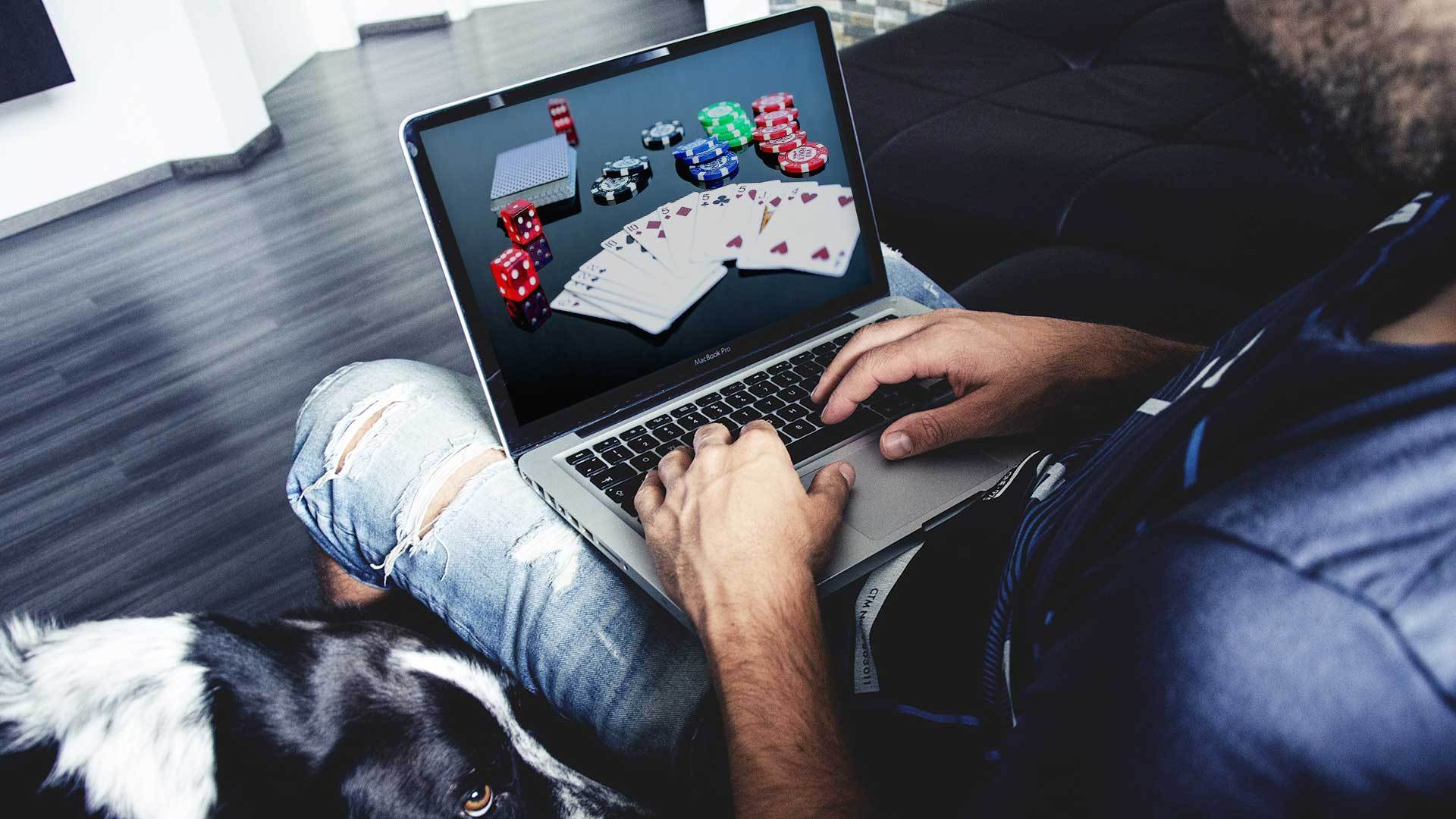
The excitement of gambling is often tied to the human brain’s reward system. When a person wins, their brain releases dopamine, the “feel-good” neurotransmitter, reinforcing the behavior. This biochemical reward can create a desire to gamble again, regardless of previous losses, perpetuating a cycle that can lead to serious financial and emotional consequences.
Psychological Factors Influencing Gambling Behavior
Several psychological factors influence why people gamble. One significant factor is the illusion of control, which leads individuals to believe they can influence the outcome of a game of chance. This belief can be particularly potent in games like slots or roulette, where randomness is fundamental. Players may feel a sense of empowerment and agency, prompting them to bet more and chase losses, thinking they will eventually win.
Moreover, cognitive biases play a crucial role in gambling behavior. For example, the “gambler’s fallacy” leads individuals to believe that past results can influence future outcomes. A player may think that if a particular slot machine hasn’t paid out recently, it is “due” for a win, driving them to continue gambling despite past losses. Recognizing these biases can help individuals make more informed decisions about their gambling habits.
Online vs. Offline Gambling Dynamics
Understanding the differences between online and offline gambling can provide further insight into gambling behavior. Online platforms often create an immersive environment that can heighten excitement and encourage prolonged engagement. With instant access to games via smartphones or computers, players may find it easier to indulge in risky behavior, particularly in the absence of social cues that typically moderate gambling in physical casinos. This distinction highlights the importance of responsible gaming, as the dynamics of online versus offline gambling can greatly affect one’s experience.
In contrast, offline gambling tends to involve more interpersonal interactions. The social aspect can mitigate some of the impulsivity seen in online gambling, as players may be more aware of their surroundings and the reactions of others. However, offline gambling can also encourage excessive behavior due to the engaging atmosphere of casinos, where the thrill of the environment can compel players to spend more time and money than intended.
The Role of Emotional Triggers
Emotional triggers significantly impact gambling behavior, with many individuals using gambling as a means to cope with stress, anxiety, or depression. The highs of winning can provide temporary relief from emotional turmoil, making gambling an attractive outlet for those struggling with mental health issues. Unfortunately, this coping mechanism can lead to a dangerous cycle of dependency and increased risk of addiction.
Additionally, the social and cultural context in which gambling occurs can amplify these emotional triggers. Celebrations, gatherings, or even loneliness can all lead individuals to seek out gambling as a form of entertainment or escape. Recognizing these emotional triggers is essential for individuals and their support networks, enabling them to address the root causes of their gambling habits rather than just the symptoms.

Responsible Gaming and Supportive Resources
For those interested in gambling, whether online or offline, understanding the psychological triggers is vital for maintaining responsible gaming practices. Many platforms now offer features that promote safe gambling, including limits on deposits and time spent playing. Players are encouraged to utilize these tools to help manage their gambling behavior and avoid falling into harmful patterns.
Additionally, resources are available for those struggling with gambling addiction. Support groups and counseling services can provide the necessary guidance to help individuals break free from the cycle of addiction. Education on the psychological aspects of gambling behavior can empower players to make healthier choices and seek help when needed. By fostering a culture of awareness and support, the gambling community can work towards minimizing the negative impacts of this pervasive issue.
