
The evolution of gambling a historical journey through time
IWin Vit Nam tr chi trc tip v c cc.639
April 20, 2026Beyond the Bet Experience Top-Tier Entertainment at Your Favorite online casino australia.
April 20, 2026The evolution of gambling a historical journey through time
The Origins of Gambling
The history of gambling can be traced back to ancient civilizations, where games of chance were integral to societal rituals and entertainment. In ancient China, around 2300 BC, the earliest forms of gambling were documented, including games involving tiles and rudimentary betting. These early gambling practices laid the groundwork for a culture where chance and skill coexisted, influencing later forms of gambling across continents. The use of dice, another ancient gambling artifact, appeared in various cultures, reflecting a universal fascination with luck. For Australian players looking to enhance their gaming experience, you can take advantage of the Picklebet Welcome Bonus, which you can find at https://picklebet-australia.com/welcome-bonus/.

In the Roman Empire, gambling became a form of public entertainment. With games like dice and betting on chariot races, Romans embraced gambling as an integral part of their social life. The concept of betting on outcomes and events transcended mere amusement, becoming a reflection of social status and a pastime for the elite. Laws were enacted to regulate these activities, indicating the growing recognition of gambling as both a popular and contentious issue in society.
As societies evolved, gambling continued to adapt, merging with local customs and practices. In medieval Europe, betting on events such as jousts and other tournaments became commonplace. This era also saw the emergence of card games, which would later lead to the development of modern casinos. Each of these historical phases added complexity and richness to the tapestry of gambling, establishing it as a multifaceted aspect of human culture.
The Rise of Casinos
The establishment of the first official casinos in the 17th century marked a significant turning point in the evolution of gambling. The Casino di Venezia, founded in Italy, is often regarded as the world’s oldest casino, providing a legal environment for gambling activities. This venue attracted nobility and wealthy patrons, creating an atmosphere of exclusivity and luxury. The concept quickly spread across Europe, with cities like Monte Carlo and Baden-Baden developing their own iconic gambling establishments.
The 18th century saw a rise in the popularity of gambling across social classes, fueled by the allure of wealth and chance. This period also witnessed the birth of new games, including the roulette wheel and modern versions of poker. These innovations kept gambling fresh and appealing, contributing to the establishment of casinos as cultural landmarks. The blend of chance, strategy, and social interaction within these environments further solidified their place in society.
By the 19th century, casinos began to flourish in the United States, with establishments popping up in New Orleans and, eventually, Las Vegas. The commercialization of gambling transformed it from a noble pursuit into a vibrant industry. This shift not only changed the economic landscape but also ignited discussions around the ethics and legality of gambling, leading to regulatory changes that still shape the industry today.
The Influence of Technology
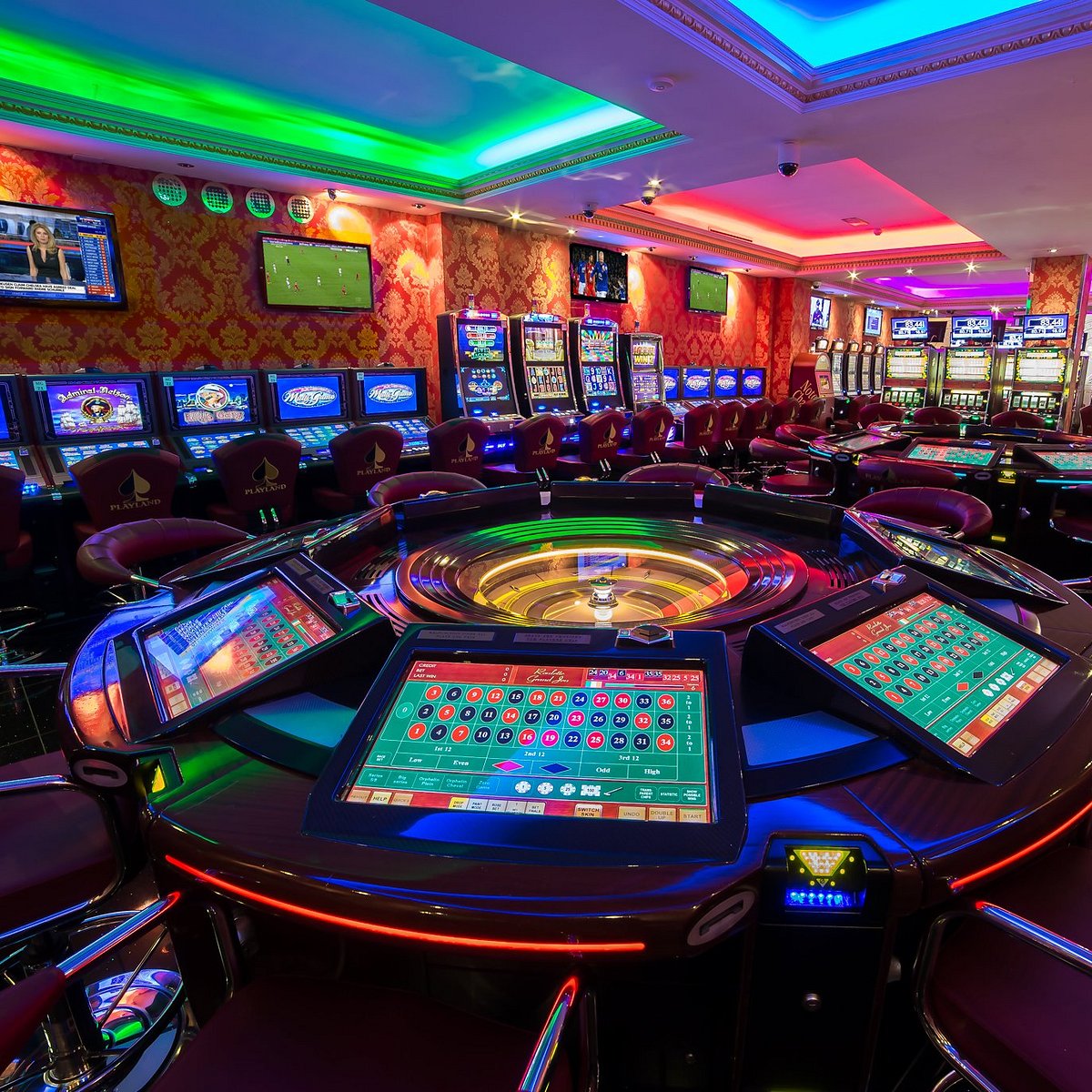
The advent of technology in the 20th century brought profound changes to the gambling industry. The introduction of mechanical slot machines revolutionized the way people engaged with gambling. These machines, with their enticing sounds and flashing lights, drew in crowds, making casinos more accessible to the general public. The ease of play and potential for quick wins transformed the gambling experience, resulting in an exponential increase in participation.
As technology continued to advance, the emergence of the internet in the late 20th century opened new avenues for gambling. Online casinos began to spring up, allowing players to engage in their favorite games from the comfort of their homes. This digital transformation democratized access to gambling, attracting a broader audience, including those who may have felt uncomfortable visiting traditional casinos. The convenience and anonymity of online gambling contributed to its rapid growth.
Mobile technology further propelled the gambling industry into the 21st century. With the rise of smartphones, players could access casino games and sports betting applications anytime, anywhere. This unprecedented convenience not only attracted a younger demographic but also necessitated the implementation of responsible gambling practices. Today, the interplay between technology and gambling continues to evolve, with innovations like virtual reality and blockchain promising to reshape the future of the industry.
The Global Landscape of Gambling
Gambling is now a global phenomenon, with diverse forms and regulations varying from country to country. In places like Macau, gambling is a significant economic driver, attracting millions of tourists each year. The blend of culture, luxury, and entertainment in these regions underscores the importance of gambling as not just a pastime, but an essential part of the tourism industry. This has led to fierce competition among various locations striving to become the ultimate gambling destination.
Conversely, many countries still grapple with the ethical implications of gambling. Strict regulations exist to curb issues like addiction and financial ruin, highlighting the need for responsible gambling initiatives. Nations such as the United States have adopted a patchwork of state laws, resulting in a complex and often inconsistent legal landscape. This ongoing debate around the societal impacts of gambling continues to shape policies and public perceptions globally.
The influence of gambling extends beyond mere entertainment; it intertwines with aspects of economics, sociology, and psychology. As research into gambling behavior grows, there is a greater understanding of its effects on individuals and communities. The discourse surrounding gambling will continue to evolve, reflecting changing attitudes towards risk, chance, and responsible gaming practices.
The Future of Gambling
The future of gambling promises to be as dynamic and multifaceted as its past. Emerging technologies, such as artificial intelligence and augmented reality, are set to redefine the gambling experience. These advancements will likely enhance player engagement, offering personalized experiences that were previously unimaginable. As casinos and online platforms integrate these technologies, players can expect a more immersive and interactive environment.
Moreover, the ongoing conversation around responsible gambling will take center stage as the industry evolves. Operators are increasingly recognizing their social responsibility, implementing measures to promote safe gambling practices. This includes tools to help players monitor their spending and access support services when needed. The balance between profit and ethical considerations will be crucial in shaping the industry’s trajectory.
As more regions consider legalizing gambling to boost their economies, the potential for growth remains substantial. However, this expansion must be approached with caution, ensuring that the lessons learned from history inform future practices. The evolution of gambling is a testament to human ingenuity and adaptability, and as it continues, it will undoubtedly reflect the complexities of modern society.
Conclusion
The journey of gambling through history illustrates humanity’s fascination with chance and the desire for excitement. From its humble beginnings in ancient civilizations to the glitzy casinos of today, gambling has evolved into a global industry that intertwines with culture, technology, and economics. Understanding this evolution not only sheds light on human behavior but also highlights the need for responsible practices in an ever-changing landscape.
As we look forward, the gambling industry stands at a crossroads, where tradition meets innovation. Embracing the lessons of the past while navigating future challenges will be key to fostering a sustainable and enjoyable gambling experience for all. Whether through technology or regulatory reforms, the goal remains clear: to balance entertainment with responsibility and integrity in the world of gambling.
