
Unveiling the myths: Do casinos really have a house edge?
Glassi review and player reputation
August 31, 2026Glassi review and player reputation
August 31, 2026
The Thrill of Uncertainty
The allure of gambling largely stems from the excitement of uncertainty. For many, the unpredictability of outcomes creates an adrenaline rush that is hard to replicate elsewhere. When players place a bet, they engage in a psychological dance with chance, where the outcome is entirely out of their control. This sense of unpredictability taps into our innate desire for risk and reward, making each moment spent at the casino feel electrifying. The prospect of winning big against the odds adds to the thrill, drawing players into a captivating world where fast withdrawal casino experiences are just around the corner.
Moreover, this thrill is often enhanced by the atmosphere created in casinos, where lights, sounds, and the presence of other enthusiastic players amplify the emotional highs and lows. The cacophony of ringing slot machines, the cheers from table games, and the overall ambiance contribute to a heightened sense of excitement. This sensory overload not only fuels the gambling experience but also fosters a communal atmosphere that enhances social interaction among players, making them feel part of a larger narrative. The sheer exhilaration of being surrounded by a crowd of hopeful players can transform an ordinary night into an unforgettable adventure.
In the context of behavioral psychology, this thrill can be likened to the concept of intermittent reinforcement, where unpredictability keeps players coming back for more. Because jackpots and wins don’t follow a fixed schedule, players experience the satisfaction of occasional wins, which encourages them to continue gambling in hopes of striking it rich. This psychological principle explains why so many are drawn back to casinos time and time again, despite knowing the odds may not be in their favor. The anticipation of that next big win can be a powerful motivator, creating a cycle of excitement that is hard to break.
The Escape from Reality
For many individuals, casinos serve as a form of escapism, providing a temporary break from the daily grind. The immersive environment allows players to step away from their everyday responsibilities and immerse themselves in a world filled with possibilities. This escape can be particularly appealing in a fast-paced lifestyle where stress is rampant. In a casino, players can forget about their problems, if only for a while, as they dive into the alluring world of chance. The bright lights and enticing games create a fantasy realm that offers a welcome distraction from life’s challenges.
Additionally, the social aspect of gambling in casinos enhances this escapism. Engaging with others at a table or slot machine can foster a sense of community and belonging. As people share in victories and commiserate over losses, they create social bonds that can be comforting. This social interaction can serve as a distraction from personal challenges, allowing players to feel a sense of connection in a vibrant environment, ultimately contributing to the overall appeal of casinos. The emotional highs and lows experienced together create an atmosphere of camaraderie that is hard to replicate in other settings.

It’s also worth noting the psychological aspects related to design in casinos. The lavish decor, the availability of food and drinks, and the overall focus on customer experience all contribute to creating an attractive environment that encourages people to stay longer. This intentional design cleverly distracts players from time and reality, making it easier to lose track of time. In this way, casinos cleverly build an immersive experience that deepens their appeal as an escape from the mundane. The carefully crafted environment ensures that players remain engaged and entertained, reinforcing their desire to return.
The Influence of Winning
Another factor driving our fascination with casinos is the potential for winning. The prospect of a significant cash prize not only motivates players to gamble but also enhances their psychological experience in profound ways. Winning, especially in a dramatic fashion, releases dopamine—a neurotransmitter associated with pleasure and reward—creating feelings of euphoria. These moments of triumph can feel life-changing, reinforcing the behaviors that led to the win. This biochemical response is a compelling reason why players might chase that feeling, even if it means risking their money.
Even when players experience losses, the memory of a past win can linger, providing a form of motivation to keep playing. Casinos often capitalize on this by celebrating winners and showcasing success stories, which can entice others to join the fray. This creates a psychological construct where the thought of winning becomes a powerful motivator, overshadowing the inevitable losses that accompany gambling. The emotional high of winning can easily overshadow the financial realities of losing, leading players to engage in continued gambling in hopes of recapturing that feeling.
This phenomenon illustrates the “gambler’s fallacy,” where individuals believe that past events influence future outcomes. For instance, a player may think that if they have lost several times in a row, they are due for a win. This flawed reasoning feeds into the casino’s ecosystem, encouraging continued play even when the odds are stacked against them. Thus, the influence of winning plays a crucial role in our enduring love for casinos, reinforcing the belief that fortune could change in an instant. The psychological satisfaction derived from the possibility of winning keeps players coming back, creating a cycle that can be difficult to escape.
The Role of Social Interaction
In addition to the thrill and escapism, social dynamics play a significant role in the gamble of casinos. Many visitors are drawn to the camaraderie found in group activities, such as playing poker or sharing a table at a blackjack game. The interaction with other gamblers creates a unique environment filled with shared emotions, where players celebrate each other’s successes or console one another during losses. This social engagement transforms gambling from a solitary activity into a community experience, making it far more enjoyable for many players.
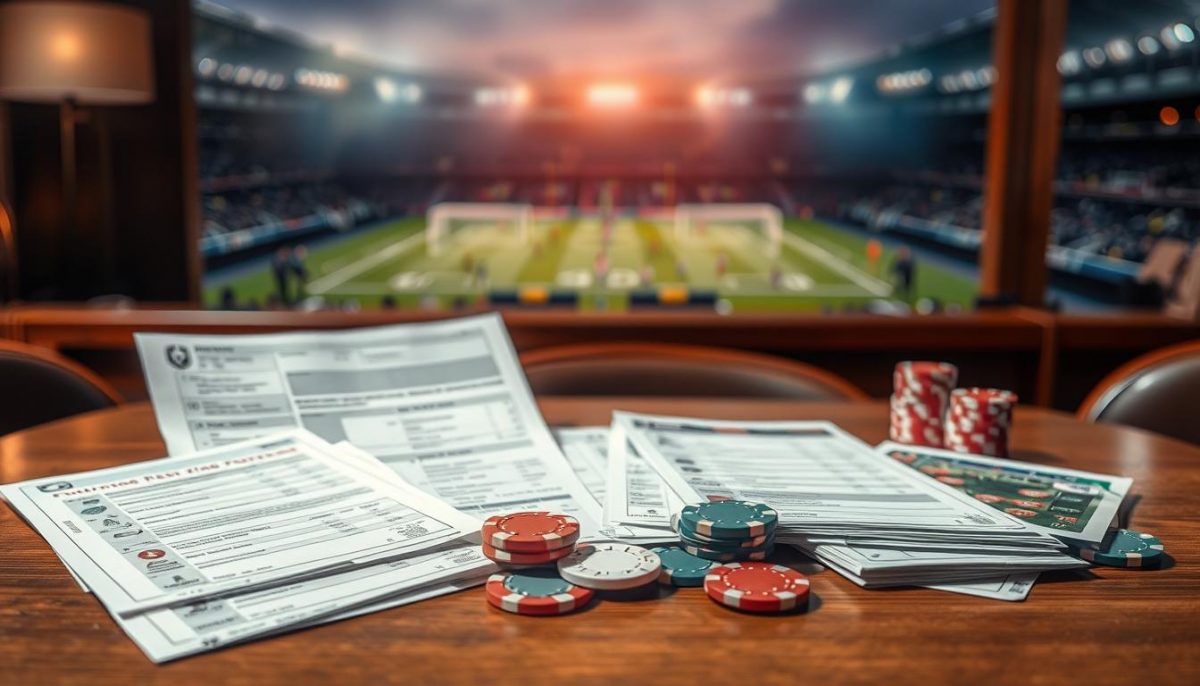
Furthermore, many people enjoy the competitive aspect of gambling—whether it’s competing against friends, strangers, or even the house itself. The desire to prove oneself and the thrill of competition can be strong motivators in a casino setting, further enhancing the overall experience. Observing others react to wins or losses adds an additional layer of excitement, making players feel part of a dynamic group rather than isolated in their pursuits. The shared atmosphere of anticipation and celebration fosters connections that extend beyond the games themselves.
Casinos often design their layouts and social events to enhance these interpersonal connections, encouraging players to interact more with one another. Tournaments, themed events, and communal activities are common, fostering a sense of community amongst patrons. This social aspect not only enriches the gambling experience but also provides an emotional anchor that many people seek when visiting a casino. By creating shared experiences, casinos enhance the allure of gambling, making it a more fulfilling and memorable outing.
Understanding Casino Websites
As technology evolves, the world of gambling has extended beyond bricks-and-mortar establishments into the realm of online casino websites. These platforms replicate the excitement of traditional casinos, offering users the chance to experience the thrill of betting from the comfort of their homes. The convenience of accessing games, promotions, and community interactions online has heightened interest and participation in gambling activities. This shift has made it easier for players to engage with their favorite games, leading to an increase in online gambling participation.
The rise of online casinos has also influenced how people perceive and engage with gambling. Players can now find a plethora of games, often with enticing bonuses and promotions that enhance their overall experience. This digital format allows for personalized interaction and targeted content that can cater to varied gaming preferences, appealing to a wider audience than ever before. The ability to play at any time and from anywhere has made online gambling an increasingly popular choice, providing a similar thrill to that found in physical casinos.
However, while online casinos provide convenience and accessibility, they also require players to exercise caution and self-regulation. Understanding the psychological triggers and the role of risk is essential to maintaining a healthy relationship with gambling, whether in-person or online. As the landscape of gambling continues to evolve, recognizing these psychological undercurrents can help players navigate the intricate world of casinos responsibly. Ensuring that the experience remains enjoyable and safe is vital, especially in an environment where the boundaries of gambling can easily blur.
