WordPress database error: [User 'holidctb_wp962' has exceeded the 'max_questions' resource (current value: 1)]SELECT user_id, meta_key, meta_value FROM wpdl_usermeta WHERE user_id IN (1) ORDER BY umeta_id ASC
WordPress database error: [User 'holidctb_wp962' has exceeded the 'max_questions' resource (current value: 1)]SELECT * FROM wpdl_users WHERE ID IN (1)
WordPress database error: [User 'holidctb_wp962' has exceeded the 'max_questions' resource (current value: 1)]SELECT * FROM wpdl_users WHERE ID = '1' LIMIT 1
WordPress database error: [User 'holidctb_wp962' has exceeded the 'max_questions' resource (current value: 1)]SELECT * FROM wpdl_users WHERE ID = '1' LIMIT 1
WordPress database error: [User 'holidctb_wp962' has exceeded the 'max_questions' resource (current value: 1)]SELECT option_value FROM wpdl_options WHERE option_name = 'cfblb_events' LIMIT 1
WordPress database error: [User 'holidctb_wp962' has exceeded the 'max_questions' resource (current value: 1)]SELECT option_value FROM wpdl_options WHERE option_name = 'cfblb_message' LIMIT 1
WordPress database error: [User 'holidctb_wp962' has exceeded the 'max_questions' resource (current value: 1)]SELECT option_value FROM wpdl_options WHERE option_name = 'cfblb_videos' LIMIT 1
WordPress database error: [User 'holidctb_wp962' has exceeded the 'max_questions' resource (current value: 1)]SELECT option_value FROM wpdl_options WHERE option_name = 'cfblb_lang' LIMIT 1
WordPress database error: [User 'holidctb_wp962' has exceeded the 'max_questions' resource (current value: 1)]SELECT option_value FROM wpdl_options WHERE option_name = 'cfblb_popup_lang' LIMIT 1
WordPress database error: [User 'holidctb_wp962' has exceeded the 'max_questions' resource (current value: 1)]SELECT option_value FROM wpdl_options WHERE option_name = 'cfblb_popup_show_on_home' LIMIT 1
WordPress database error: [User 'holidctb_wp962' has exceeded the 'max_questions' resource (current value: 1)]SELECT option_value FROM wpdl_options WHERE option_name = 'cfblb_popup_show_on_logged_in' LIMIT 1
WordPress database error: [User 'holidctb_wp962' has exceeded the 'max_questions' resource (current value: 1)]SELECT option_value FROM wpdl_options WHERE option_name = 'cfblb_popup_show_on_not_logged_in' LIMIT 1
WordPress database error: [User 'holidctb_wp962' has exceeded the 'max_questions' resource (current value: 1)]SELECT option_value FROM wpdl_options WHERE option_name = 'cfpl_show_button' LIMIT 1
WordPress database error: [User 'holidctb_wp962' has exceeded the 'max_questions' resource (current value: 1)]SELECT option_value FROM wpdl_options WHERE option_name = 'cfpl_layout' LIMIT 1
WordPress database error: [User 'holidctb_wp962' has exceeded the 'max_questions' resource (current value: 1)]SELECT option_value FROM wpdl_options WHERE option_name = 'cfpl_show_faces' LIMIT 1
WordPress database error: [User 'holidctb_wp962' has exceeded the 'max_questions' resource (current value: 1)]SELECT option_value FROM wpdl_options WHERE option_name = 'cfpl_verb' LIMIT 1

This phenomenon is known as overhead aversion, and a study on the subject by behavioral economist Uri Gneezy finds that offering overhead-free donation opportunities to smaller donors can help bridge this gap. Each nonprofit will have its own optimal overhead allocation, depending on its age, size, geographic location, and specific needs. You may have heard that nonprofits should spend a certain amount on overhead expenses. Known as the overhead myth, the principle that nonprofits must stick to a certain percentage (typically estimated between 15 and 35%) is false. Your operating budget should be reviewed at least quarterly, or even monthly, to track progress and identify any potential problems.

Building a nonprofit budget: 4 steps to get started
- These expenses are vital in ensuring that essential services and goods reach remote or underserved areas where they are needed most.
- Boards should analyze variances and consider if there will be any impact on the upcoming budget.
- Having an annual nonprofit budget helps you make informed decisions about program funding, staffing, and other operational needs, so you can use your resources effectively and protect your financial stability.
- That way, the funder has a clear understanding that your nonprofit has the means and manpower to complete the proposed project.
- This process is essential for adapting to changing circumstances and maximizing the impact of their mission-driven activities.
- Industry research shows that most nonprofit organizations operate with less than six months of cash reserves, highlighting the critical need for smart financial management.
Including insurance in a nonprofit operating budget helps protect your organization from unexpected financial risks. This can include covering liability for employees or volunteers, property insurance for buildings and equipment, and insurance for events or activities that your nonprofit hosts. Nonprofit organizations, driven by their missions to create positive change, often operate under financial constraints. Ensuring that resources are used efficiently and in alignment with the organization’s goals is essential.
Use Effective Budget Templates for Nonprofit Organizations
Before starting with what is, essentially, a future-oriented process – clarify the present context. Evaluate current financial health by analyzing the current year-end forecast, current budget variances, and balance sheet strength. Then, take some time to reflect on and learn from programmatic and financial successes and failures. Give yourself enough time to gather the necessary information and data, to think through and discuss the various elements of the budget, and to put it down on paper (or in Excel).
Expert Advice on Building Your Grant Budget

For practical tips on budgeting and financial organization, check out How Can You Write a Business Plan for a Charity Nonprofit in 9 Steps?. This process is most valuable when a nonprofit can understand both the full cost of delivering programs and the amount and type of income that relates to those programs. Leaders can use this information to analyze the financial model of programs individually and as part of the whole. In this step you will identify which income items are connected to specific program areas and what income can be directed at the organization’s discretion. Examples of income that is assigned directly to a program include contract or fee income for a preschool program or a grant that is received for a tutoring program.

What Should Be Included In a Nonprofit Budget
Remember that underfunding these areas often leads to inefficiency and reduced impact over time. Clear policies about when and how to use reserves help prevent impulsive spending while ensuring funds remain available for genuine needs. By starting fresh each year, you ensure your budget remains a dynamic tool for achieving your mission. Accounting Services for Nonprofits: Benefits and How to Choose the Right Provider While familiar, this approach might keep you from spotting opportunities for significant improvements. A fresh perspective comes from starting each fiscal year with a new comprehensive budget. Focusing on a primary source of revenue and considering the potential impact of each expenditure optimize budgetary strategies.
Establish Budget Review Processes
Budgeting your revenue based on its source allows you to make the most accurate projections. Plus, if you know exactly where all of your funding comes from, it’s easier to respond to fluctuations in fundraising throughout the year. Nonprofits often rely on unpredictable funding streams such as donations, grants, and seasonal fundraising campaigns. This unpredictability can make it difficult to maintain a consistent income flow, leading to challenges in long-term planning and resource allocation. It will cover all the expenses required to keep the organization running, from salaries and utilities to technology and insurance.
- Read on as we break down the process step-by-step and answer some critical questions many nonprofit leaders often have.
- Sometimes, grantmakers will want to see your organizational budgets for several years prior to the year that you’re asking for funding for.
- Having a detailed plan, such as a nonprofit budget sample for each program or fundraising activity, helps you maintain transparency and meet donor expectations.
- When faced with challenging and uncertain times, learn three ways that nonprofits can employ to strengthen their organization’s strategic resilience and remain focused on advancing their mission-driven work.
- The formulas should be revisited if there are major changes in the way expenses are used, such as staff reassignments or growth of a program.
- Creating a budget for non-profit organizations requires a unique approach that differs significantly from traditional business budgeting.
Who Is Involved in the Nonprofit Budgeting Process?
The organization will then operate with a budget that is no longer the exact adopted budget. Using both of these strategies will help your organization to https://holycitysinner.com/top-benefits-of-accounting-services-for-nonprofit-organizati/ stay closely aligned with its mission.If you’re also wondering how to calculate your cash flows, download Keela’s cash flow forecasting tool! Use this simple resource to help balance your books and reduce your financial worry. CLICK’s mission is to engage the community by raising funds for programs that support inner-city kids so they can succeed.

How Volunteer Leaders Impact Capital Campaign Success
- Grants can make up a significant portion of a nonprofit’s budget, accounting for around 10% of all nonprofit funding.
- Operating expenses for nonprofits typically revolve around several core areas including staff salaries, program delivery, travel and logistics, and administrative overhead costs.
- This is why it usually makes sense to go with a total platform like Paybee that already includes specialized tools specifically created for charities like yours.
- Nonprofit organization expenses in this area include efforts to attract and retain donors through social media campaigns, digital advertising, and community events.
- It lets you track expenses closely, preventing overspending and identifying cost-saving opportunities.
- These objectives will lead to the creation of relevant programs or services which will have corresponding costs and revenue opportunities.
It’s perfectly legal for nonprofits to buy and sell stocks if it helps generate revenue the nonprofit can spend pursuing its mission. At the low end, reserves should be enough to cover at least one full payroll. However, each nonprofit should set its own reserve goal based on its cash flow and expenses. When it comes to budgeting, context is essential when considering every item.
This may involve making adjustments based on changes in the organization’s operations or financial situation. Include revenue you expect to generate from fundraising events, grant proposals, individual donations, corporate sponsorships, and other sources of funding. This means that they have more income than they do expenses, which is a good position financially. This includes estimating the costs of running your organization; such as salaries, rent, office supplies, and marketing.
]]>WordPress database error: [User 'holidctb_wp962' has exceeded the 'max_questions' resource (current value: 1)]SELECT * FROM wpdl_users WHERE ID = '1' LIMIT 1
WordPress database error: [User 'holidctb_wp962' has exceeded the 'max_questions' resource (current value: 1)]SELECT * FROM wpdl_users WHERE ID = '1' LIMIT 1
Any outflow of cash related to repayment decreases the company’s cash reserves, and is therefore, recorded as a negative number (outflow) in cash flow from financing activities. In a nutshell, we can say that cash flow from financing activities reports the issuance and repurchase of the company’s bonds and stock and the payment of dividends. Items are found in the balance sheet’s long-term capital section and the statement of retained earnings. Analysts assess net cash flow from financing activities alongside other financial metrics, such as the debt-to-equity ratio, to evaluate a company’s leverage and capital structure. A high reliance on debt financing, reflected in consistently positive net cash flows driven by debt inflows, might raise concerns about solvency, especially if interest coverage ratios are tightening.
Companies must balance rewarding shareholders with maintaining sufficient capital for future opportunities. These are cash outflows in the cash flow from financing activities, indicating the money the company is paying back to its lenders or bond holders. It could be in the form of principal repayment, part-payment, or interest payment.
Understanding the Balance Sheet
All programs require the completion of a brief online enrollment form before payment. If you are new to HBS Online, you will be required to set up an account before enrolling in the program of your choice. Achieve a 70% increase in cash management productivity with real-time insights and automated reconciliation. It’s important to consider each of the various sections that contribute to the overall change in cash position.
- On the other hand, consistent dividends and stock buybacks signal financial strength and a commitment to shareholder value.
- For example, repurchasing 500,000 shares at $20 each results in a $10 million cash outflow.
- Understanding cash flow from financing activities is essential for assessing a company’s financial health.
- Seize your opportunity to grow your business and gain access to the capital you need.
Company A – Statement of Cash Flows (Alternative Version)
Cash flow from financing activities is primarily concerned with the cash transactions from lenders, owners, and shareholders. This could include cash received from issuing shares or debt, dividends paid, or repayment of debt principal. Lease obligations under IFRS 16 and ASC 842 also represent noncash financing activities.
It shows analysts, investors, credit providers, and auditors the sources and uses of a company’s cash. The other two parts are cash flow from investing activities and cash flow from operating activities. The cash flow statement is one of the three financial statements that businesses use to track and report their financial performance. It lists all of the cash that has come into and out of the business over a period of time, allowing the business owner to easily take a snapshot of their organization’s financial health.
Some companies will maintain negative cash flow from financing balances to invest in their future, but for most, it’s a good idea to keep this number in the green. A negative balance could prevent you from qualifying for certain financial services, like additional financing, which can potentially put the brakes on your growth and development. Keep in mind, one or two quarters of negative cash flow from financing activities aren’t necessarily a cause for alarm. But a sustained pattern can be a red flag indicating chronic debt or over-leveraging. In such cases, the company must reevaluate and perhaps recalibrate its debt management strategy to ensure financial sustainability over the long run. While it’s good for investor relations, paying dividends can divert cash flow from the financing activities that could have been used to further drive a sustainability initiative.
Cash Flow Statement Example
The common stock repurchase of $88 million is broken down into a paid-in capital and accumulated earnings reduction as well as a $1 million decrease in treasury stock. The treasury stock balance declined by $1 million in Covanta’s balance sheet, demonstrating the interplay of all major financial statements. By contrast, debt and equity issuances are shown as positive inflows cash flow from financing activities of cash, since the company is raising capital (i.e. cash proceeds). Cash Flow from Financing Activities tracks the net change in cash related to raising capital (e.g. equity, debt), share repurchases, dividends, and repayment of debt. These details get included in the cash flow statement, but there can be more to know and understand.
This segment shows how a company raises and repays capital through debt and equity financing. In this segment, cash inflows come from issuing stock or borrowing, while cash outflows include loan repayments, dividend payments, and stock buybacks. Raising cash through financing can support expansion, but excessive debt without revenue growth may pose risks.
What Is Negative Cash Flow From Financing Activities?
Firms rely on International Financial Reporting Standards (IFRS) outside the United States. Some of the key distinctions between the two standards boil down to some different categorical choices for cash flow items. The net change in cash for the period is added to the beginning cash balance to calculate the ending cash balance, which flows in as the cash & cash equivalents line item on the balance sheet. It’s important to consider all of a company’s financial metrics when making investment decisions. This is because the CFF can measure a company’s ability to generate cash from its financing activities.
A consistently positive and high CFF could indicate that a company is relying too much on external financing than its earnings, which may lead to high debt burdens later on, which could be difficult to repay. To learn more about how FreshBooks can help you manage your financing activities and overall business finances, contact us or start your free trial today. This cash flow statement shows Company A started the year with approximately $10.75 billion in cash and equivalents. Whenever you review any financial statement, you should consider it from a business perspective. Financial documents are designed to provide insight into the financial health and status of an organization. Businesses need to strike a balance between rewarding shareholders and investing in long-term sustainability projects.
- However, only activities that affect cash are reported in the cash flow statement.
- For example, a firm might issue corporate bonds with a fixed interest rate, providing predictable interest payments over time.
- Thus, large amounts in this line item can be considered a trigger for a more detailed investigation.
- This section of the cash flow statement measures the flow of cash between a firm and its owners and creditors.
These decisions might include issuing new shares, repaying debt, or paying out dividends to shareholders. In the same vein, a company may have negative cash flow from investing activities because it is investing heavily in future growth. In the short term, this may reduce available cash, but if these investments increase operational cash flow, it can be a sign of strategic growth. For example, when a company raises capital by issuing new shares of stock, the cash received increases the ‘cash and cash equivalents’ line in the asset section of the company’s balance sheet. Concurrently, the ‘shareholders’ equity’ line in the Owner’s equity section also increases, reflecting the rise in capital from the new share issuance. Debt transactions are integral to a company’s financing activities, reflecting its approach to managing liabilities and capital structure.
It might be an unattractive investment opportunity if the company is consistently issuing new stock or taking out debt. The financing activity in the cash flow statement focuses on how a firm raises capital and pays it back to investors through capital markets. These activities also include paying cash dividends, adding or changing loans, or issuing and selling more stock. This section of the statement of cash flows measures the flow of cash between a firm and its owners and creditors. They can see this when reviewing financial statements, such as a balance sheet and income statement.
It’s worth mentioning that cash flow from financing activities is just one part of the cash flow analysis. Alongside operating and investing activities, it presents a comprehensive view of how cash moves within a business. However, nonetheless, understanding this component provides a crucial perspective into a company’s financial health. Altogether, a well prepared cash flow statement can greatly assist in analyzing a company’s financial health, ensuring that cash is being managed effectively, and identifying potential risks or opportunities. Positive cash flow from financing activities indicates a net increase in cash resulting from financing activities, such as raising capital or obtaining loans.
Since this is the section of the statement of cash flows that indicates how a company funds its operations, it generally includes changes in all accounts related to debt and equity. The CFF is on a company’s cash flow statement, which is typically released on a quarterly basis. The CFF is important to investors because it shows how a company is funding its operations and growth. A company with positive cash flow from financing activities is in good financial health. Cash inflows from financing activities generally increase a company’s overall cash balance, providing more liquidity and strengthening the firm’s balance sheet. This often comes from sources such as issuing shares of stocks, raising new debt or from retained earnings.
]]>WordPress database error: [User 'holidctb_wp962' has exceeded the 'max_questions' resource (current value: 1)]SELECT * FROM wpdl_users WHERE ID = '1' LIMIT 1
WordPress database error: [User 'holidctb_wp962' has exceeded the 'max_questions' resource (current value: 1)]SELECT * FROM wpdl_users WHERE ID = '1' LIMIT 1

Some transposition errors are small and insignificant, but large errors can lead to incorrect information on tax forms, shareholder reports, and other important accounting documents. Transposition errors can result in financial losses for businesses, especially when dealing with large sums of money. Consider a scenario where a company mistakenly enters a bank account number incorrectly while making a payment to a vendor. This simple transposition error could lead to the funds being transferred to an unintended recipient. The company may face difficulties in recovering the funds, resulting in a direct financial loss. Moreover, the time and effort involved in rectifying such errors can also lead to indirect financial losses.
How to Spot Transposition Errors Now Rather Than Later
A transposition error is when a number is recorded as two opposite digits instead of one. The transposition error can be traced to an exact digit by recording the correct digit as the incorrect one. This error is easily detectable because the difference between the two numbers is evenly divisible by nine. A transposition error occurs when the first two digits of a number are switched, creating a difference that is evenly divisible by nine.

Transposition Error: Definition, Causes, And Consequences
Understanding the common types of transposition errors and their consequences is vital for developing effective prevention strategies. By implementing measures such as double-checking, automation, and training, we can minimize the occurrence of these errors and mitigate their potential impact. However, it is important to recognize that human error is inevitable, and maintaining a proactive approach towards error prevention is an ongoing endeavor. transpositional error It is crucial to prioritize accuracy and reliability in all aspects of our lives, ensuring that transposition errors do not hinder our progress or compromise the integrity of our data. In the realm of data entry and analysis, transposition errors can lead to flawed conclusions or erroneous insights. To mitigate these errors, data entry personnel should adopt a systematic approach, double-checking entered data against the original source.
- The technical term for accidentally switching the order of numbers (ie. entering “$4200” when the actual figure is “$2400”) is a transposition error.
- Many OCR software applications include error detection features that identify potential transposition errors, such as swapped digits.
- Therefore, organizations should establish a process for checklist maintenance and ensure that all relevant stakeholders are involved in the review and revision process.
- In today’s digital age, where information spreads rapidly, even a minor typo can be amplified and shared across various platforms.
- By conducting individual assessments, organizations can identify knowledge gaps and areas for improvement and design training programs accordingly.
To Ensure One Vote Per Person, Please Include the Following Info
- In the medical field, transposition errors can jeopardize patient safety or compromise accurate diagnosis.
- By utilizing software applications or tools that automate data entry, we can eliminate the need for manual input, reducing the risk of transposition errors caused by human factors.
- In order to effectively prevent and mitigate transposition errors, it is crucial to establish a culture of safety within the organization.
- While spell checkers and grammar checkers are primarily designed to detect language-related errors, they can also be used to identify transposition errors.
- In this section, we will explore various techniques for detecting and correcting transposition errors, providing insights from different perspectives.
Training transcribers to properly read or hear source material and follow transcription best practices can also reduce errors. By presenting data in a visual format, such as charts or graphs, users can quickly identify any inconsistencies or errors. For instance, a system can display a graphical representation of numerical data, allowing users to easily spot any transposition errors. This visual feedback helps users to identify and rectify errors promptly, reducing the risk of further complications.
Real-Life Examples of Transposition Errors and Their Impacts
- Additionally, utilizing legal software tools that offer error-checking functionalities, such as spell-checking or cross-referencing, can help identify and rectify transposition errors more efficiently.
- In the realm of music, transposition errors can occur during the process of transcribing or performing a piece.
- This reliance on sounds can lead to errors, particularly when words share similar phonetic properties.
- This case serves as a reminder of the importance of meticulous proofreading and verification in the legal sector.
Both debit which is accounts receivable and credit, sales revenue, has been recorded as $5,706. This results in the overstatement of both credit sales and accounts receivable of $90. Accounting errors normally discovered through mathematical mistakes, mistakes from applying accounting policies, misinterpretation of facts of transactions, lack of oversights, and fraud.
This process involves removing duplicate entries, correcting formatting issues, and addressing any incomplete or inconsistent data. For instance, a marketing team can regularly cleanse their customer database to ensure accurate targeting and segmentation, leading to more effective campaigns and higher conversion rates. Transposition errors can also have a significant impact on an organization’s reputation. In today’s digital age, where information spreads rapidly, even a minor typo can be amplified and shared across various platforms. This can lead to negative publicity and a loss of trust among customers and stakeholders.
Technological advancements, system design flaws, and organizational factors also influence the occurrence of these errors. However, by addressing the human factors discussed above, organizations can take proactive steps towards preventing transposition errors and promoting a culture of accuracy and quality. One primary cognitive factor that plays a crucial role in transposition errors is the limitations of working memory. Working memory refers to the cognitive system responsible for temporarily storing and manipulating information during complex cognitive tasks. When individuals experience cognitive overload or have divided attention, their working memory capacity decreases, increasing the likelihood of transposition errors.

Compensating Errors


WordPress database error: [User 'holidctb_wp962' has exceeded the 'max_questions' resource (current value: 1)]SELECT * FROM wpdl_users WHERE ID = '1' LIMIT 1
WordPress database error: [User 'holidctb_wp962' has exceeded the 'max_questions' resource (current value: 1)]SELECT * FROM wpdl_users WHERE ID = '1' LIMIT 1

Modern finance and accounting outsourcing is a completely different animal. The providers who do this well aren’t just cheaper versions of your in-house team — they’re specialists who have built their entire operation around this one thing. They’ve invested in the tools, the processes, and the Partnership Accounting people that most individual companies would never have reason to build themselves.
Will we have a dedicated account manager or support team?
- You can automate a wide range of procedures by working with the right vendor.
- They ensure that each invoice is correctly completed with invoice payment, reduce discrepancies and enhance financial integrity due to their experience managing different scenarios.
- Configure workflows, integrate systems, and align processes with business requirements.
- Automation of invoice processing services also reduces the need for data entry and reduces invoice processing costs.
- Businesses operating internationally need to navigate multi-currency payments and complex tax compliance rules.
- In-house processing often struggles with limited resources, while BPOs only sometimes cover the full cycle.
In-house processing often https://www.bookstime.com/ struggles with limited resources, while BPOs only sometimes cover the full cycle. Automation is fully integrated in outsourcing but largely manual in-house and inconsistent with BPOs. Many data entry providers offer integration with accounting and ERP systems to streamline the workflow and improve data management. It’s recommended to check with the provider if they have such capabilities. These combined benefits demonstrate how outsourcing transforms vendor management into a streamlined, efficient, and growth-oriented process.
Invoice Data Entry Services
This helps reduce costs, enhance efficiency, and ensure compliance with industry regulations. Recognizing these challenges, TechSolutions’ leadership decided to reevaluate its strategy. They contemplated bringing invoice processing back in-house but were wary of overburdening their accounts payable team. During invoice processing outsourcing their research, they discovered InvoiceAction, an intelligent process automation solution designed to streamline invoice management. With today’s technology, many organizations keep invoice processing in-house and use automation to scale without adding headcount. The right software for invoicing combines capture, validation, approvals, and integration so finance teams gain speed without losing control.
Law Firm Accounting

By outsourcing, businesses can focus on core tasks while experts handle their invoicing needs efficiently. In today’s fast-paced business environment, efficiency is critical for maintaining a competitive edge. One of the most effective ways companies can optimize their financial operations is through outsourced invoice processing. Outsourcing brings advanced features that streamline invoice handling and enhance decision-making. One of the most important is end-to-end invoice management, where the entire lifecycle—from receipt to payment—is handled with accuracy and reduced manual effort. In addition, providers use automation and technology integration such as AI-driven tools and cloud platforms, which accelerate processing times while improving data accuracy.

Our team is always available for address expert concerns, providing quick and effective solution to keep your business. We provide structured invoice exception handling and invoice discrepancy resolution to minimize delays. The invoices will be fully branded with your logo and company name, with your corporate and bank information, etc.
- Download Invensis’ Finance & Accounting services case study on Automobile Mortgage Loan Processing to find out how Invensis delivered positive outcomes.
- In contrast, in-house automation with top invoicing software and invoice accounting can deliver long-term efficiency with stronger governance.
- We simplify the process to help you achieve your financial goals with ease.
- This includes invoice data entry, invoice matching, validation, approvals, and payment processing.
- This can help to improve your bottom line and make it easier for you to attract new customers.
WordPress database error: [User 'holidctb_wp962' has exceeded the 'max_questions' resource (current value: 1)]SELECT * FROM wpdl_users WHERE ID = '1' LIMIT 1
WordPress database error: [User 'holidctb_wp962' has exceeded the 'max_questions' resource (current value: 1)]SELECT * FROM wpdl_users WHERE ID = '1' LIMIT 1

If you have formed an LLC, you can elect C-corp taxation by filing IRS Form 8832. There are significant disadvantages to creating a corporation regarding the amount of complexity involved. It requires a great deal more paperwork, meeting many more guidelines, electing a board of directors, adopting bylaws, having annual meetings, and creating formal financial statements. They generally have more burdensome record-keeping requirements than LLCs. Corporations offer more flexibility when it comes to their excess profits. Whereas all income in an LLC flows through to the members, an S corporation is allowed to pass income and losses to its shareholders, who report taxes on an individual tax return at ordinary levels.
Accounting for Interest Payable: Definition, Journal Entries, Example, and More

To be eligible for S corp. taxation, a corporation must have 100 or fewer shareholders and meet additional ownership requirements. The legal structure of your corporation and the benefits you receive from it will depend on the specific setup of your business. A corporation is a separate legal entity from its owners and offers liability protection for each owner’s personal assets. Corporations are generally governed by a board of directors elected by the shareholders. A limited liability company balances the relative ease and flexibility of a partnership or sole proprietorship structure with the increased risk protection of a corporate structure.
Building Better Businesses

While LLCs can choose to be taxed as a corporation, the taxation allowance does not change the innate business structure. When you start a new business, one of the first questions that comes up is your business structure. Two of the most common types of business structures are LLCs and corporations. While many small businesses start out as LLCs, there are some situations where a corporation can make sense — either at formation or further down the line. Though similar in many ways, LLCs and corporations have quite a few distinctions that bring both advantages and disadvantages to each.
- The answer depends on the kind of business you have, your income, your goals and your business’s ownership structure.
- Sometimes this issue occurs because of the presence of fractional equity shareholders, but it usually happens when there isn’t enough personal accountability built into the system.
- Once incorporated, a business must operate in accordance to its bylaws and articles of incorporation.
- Should you choose another entity, your entity formation process will differ from the incorporation process.
- It may still be difficult for new partnerships to find agreeable partners that share the same objectives and goals.
Complete Additional Requirements
Similarly, there are several different stages that the initial owners of a corporation must go through to form a corporation. Corporations can also be disadvantageous as a form of business. These disadvantages may apply to both the shareholders and the corporations. In most cases, the shareholders of corporations will be different from their management. This can be advantageous for both the shareholders and the corporations. For shareholders, it means that they do not need to have any technical skill or knowledge to become owners of a business.
Differences Between LLCs and Corporations
Check out this article to learn more about the many requirements for starting a business. This means the owners aren’t personally liable for business debts or lawsuits against the business. Business owners do, however, remain liable for their own negligence and for any obligations describe some of the advantages of forming a business as a corporation. on which they’ve signed a personal guarantee. Both a limited liability company (LLC) and a corporation are structures that offer similar legal advantages to their owners. For example, owners cannot be held liable for the debts of either a corporation or, for the most part, an LLC.
A general partnership leaves you open to personal liability for business debts or business lawsuits. Limited personal liability is available to limited partners in an LP and to all partners in an LLP, but those aren’t suitable arrangements for all types of businesses. The key difference among these three types of partnerships is the extent of personal liability for business debts. In a general partnership, co-owners are personally responsible for business debts. In an LP or LLP, co-owners are shielded from personal liability.

C-Corp Vs. S-Corp: Which Business Structure Is Right For You?
Once these businesses grow, the owner may bring in other partners to join the company. This being said, before finally settling on a S-corp or C-corp structure, you may also want to consider other types of business entities. In particular, LLCs are a very small business-friendly type of ownership structure. LLCs offer limited liability and less burdensome paperwork and regulatory requirements than corporations. A C corporation is taxed at the corporate level, separately from its owners, through a corporate income tax.
Open Own Business VS. Going Back to Work for Corporate – What’s Your Experience?
- We collaborate with business-to-business vendors, connecting them with potential buyers.
- As a legal entity, a corporation is distinct from its shareholders, and shareholders enjoy the same personal liability protection that members of an LLC receive.
- Once a corporation is taxed, it can distribute any earnings to its shareholders in the form of dividends.
- Limited partners invest money in the business but don’t take part in day-to-day decisions.
- Most small business owners use an online legal service like LegalZoom or hire a business attorney to help them comply with corporate formalities.
Flexible Taxation:
]]>
If all of this feels like crazy and too big for you, maybe start with that column and that episode. Start to recognize why and how you can pay yourself more regularly and in a way that makes you feel rewarded for the work that you’re doing. Follow the steps, pay yourself, track your mileage. I will then, depending on the time, the date, I know that my bank statements come out the first week in Jan, for the first week of the month for the previous month. So in that first or second week, I’m going to just check for a new bank statement.
Best Practices for Naming Your New Massage Business

Bookkeeping for massage therapists include a record of every sale you make, as well as every purchase for your business. Creating a log of income and expenses will give a clear picture of the financial health of your business. E-mail support is great, but sometimes it helps to talk to a real person. Connect with us for a free, one-one-one orientation session. We’ll help you get started with your new practice management software. Plus, we offer ongoing phone and e-mail support to help get you get the most out of your online booking, website, and more.
Not investing in automation or software
- You’ll save many hours (and probably some money) by keeping accurate records throughout the year.
- You can add your transactions into the software or your spreadsheet or a piece of paper, whatever.
- And then my desktop is clean, which is something I really like.
- MassageBook Promotions.Quickly create deals for any combination of services, time, staff or even gift certificates and promote them across email, social media, the MassageBook Directory, and any other website.
- The software tracks and organizes all the numbers for you.The reports created with accounting software correspond with the tax forms you must fill out for your business.
- Their team is responsive, efficient, and always willing to go the extra mile to help out.
In this case, hiring Better Bookkeepers for a one-time review is your solution. We can perform an exhaustive review of your books and documentation procedures, identify problems, and propose lasting solutions. Furthermore, we can design a new system that’s specialized to the unique needs and priorities of your business.
Tax Resources for Your Massage Therapy Business
- I do this two, mostly two days a week now because I tend to do it first thing when I walk into my massage office.
- If you’ve been looking for ways to attract new clients and get your existing ones booking more often, you’re in good company – most businesses have the same sticky problem.The answer?
- The cost of small expenses, like music subscriptions, bank fees and postage, can add up fast.
- Online booking allows your clients to request appointments with you anytime.
- So I moved away from QuickBooks, I think probably back to some kind of Quicken-ish.
And you want to add your deposits and your withdrawals. You want to make sure everything is in there. So you literally select what category this gets applied to. So if I accept money for massage, it goes into my massage income category. If I have accepted money for consulting that week, it goes into consulting income.

I don’t even need to reward myself with a cookie anymore because I pay myself. That’s my every two weeks, monthly stuff. You’re going to create the routine that works best for you. It doesn’t need to exactly match mine. I drop an email to my tax preparer usually a couple of weeks before any particular quarterly tax is due. And I say, “I’ve taken in this much money for massage and consulting.
WE HAVE MANY GREAT PRODUCTS TO TURN Outsource Bookkeeper INTO TEXT
We have a team of skilled bookkeepers who specialize in bookkeeping for massage therapists, so you can be assured that your books are in good hands. Outsource-bookkeeper.com provides competitive pricing for bookkeeping for massage therapists by offering customized packages that cater to your needs and budget. We understand that not all businesses have the same bookkeeping needs, so we work closely with you to come up with a solution that works best for you. You may, however, be able to deduct some trades while others will simply be taxable income. For example, if you trade massage therapy sessions for painting your office, you must include the cost of the massage as income and take the painting expense as a deduction.
- Because I have an S-corp, I have to run payroll.
- Both the IRS and your state tax department expect you to keep records of your sources and amounts of income and will ask to inspect your business’s financial records during an audit.
- MassageMinder Appointment Books are designed specifically for the Massage Therapy Industry and the Business of Bodywork.
- Know the facts and weigh the benefits and risks of seeking insurance reimbursement in your massage therapy practice.
- Allissa and Michael go through some tips and habits so you can handle this side of your business like a boss.
- There’s software that will do all the math for you.
- Get in touch with us and schedule a consultation to find out more about our massage therapists bookkeeping programs.
I feel that this technology truly lends to the professionalism of the massage therapy profession. So it’s a good way of compensating for human error. I say in any kind of bookkeeping software, simple is best. In the way back times I would hand my professional tax preparer a literally written on a piece of paper kind of synopsis, here’s how much I took in doing massage. Here was much I paid for rent and utilities and new massage linens and laundry and education and insurance and all that stuff. And then, because I started in 2005, so there’s that.
- And I think it’s great to be able to kind of demystify what bookkeeping is.
- A good software program looks after all of this for you.
- Keep personal and business finances separate to ensure clarity in your massage therapy tax deductions.
- I make sure my money is going where it should and is being saved for what it should be saved for.
- Keep a datebook or calendar throughout the year and include information that will help with your tax records.
- That’s up to you to figure out because that’s how you do things.
Professional Website Designs

Our staff are continually impressed with the ease of administrative tasks including managing patient appointments and billing. The convenience of online booking is utilized by many of our patients. Support service has been great with the mindZplay team.


However, during the lease period, the possession stays with the lessee, but the legal ownership right stays with the lessor. Leasecake is one centralized, single source of truth for all of your lease and location information for your entire real estate portfolio. Rather than digging through a filing cabinet or Dropbox to understand the details of each lease, our platform offers instant access to any date, dollar, or important information that may be in that document.
If you’re interested, see a more complete breakdown of how to apply for an equipment lease. Each year, the sum of the lease Interest expense and the lease payment must equal the annual capital lease vs operating lease lease expense, which we confirm at the bottom of our model. For lessees governed by ASC 842, leases are deemed either finance or operating based on the criteria outlined below.
Are all leases now finance leases?
With operating leases, you can rent equipment that is too expensive to purchase. Like a lease from a car dealership, with an operating lease, costs for repairs and maintenance are often covered by the lessor, which can be very useful for equipment that requires significant upkeep. From a tax standpoint, operating leases are beneficial because lease payments are tax-deductible expenses. Another benefit of operating leases is that accounting for them is generally easier than the accounting for a capital lease. Namely, most operating leases have terms of 12 months or less, with payments simply recorded as expenses on your profit and loss statement.
- Meanwhile, for this same business, a capital lease could make the most sense for items like cars and trucks if the company depends on vehicles for its operation.
- Historically, the vast majority of leases have been operating – and remained buried in the footnotes rather than appearing on the company balance sheet.
- This particular lease is mostly on a long-term basis, and cannot be canceled by the lessee, or the lessor.
- For example, a lessee might lease a custom-built piece of machinery that was designed specifically for their needs, but which would have no application outside of their own use case.
- From an accounting perspective, leases are considered operating under ASC 842 if none of the five criteria for finance leases are met.
This information about leases, their types, nature, and related rules can help businesses decide which type of leasing will suit their finances better. If any of the four conditions applies, you must capitalize the lease, and include the property as an asset on your balance sheet. Payments for an operating lease, on the other hand, can be written off as operating expenses. Suppose you are leasing a forklift that costs $42,000 and will be used for moving materials in your warehouse. A lessee can claim depreciation deductions on the income statement, reducing taxable income.
Top 40 BPO companies in the Philippines
For example, a business that uses vans or trucks for deliveries can lease those vehicles without having to get a loan or tie up funds for the purchase. The lease payments are $100/year spread over 5 years, but the first payment is immediate, and the remaining are at the end of years 1-4, so your PV formula needs to sum up the PV of each lease payment, years 0-4, at 3%. The first step is to estimate the carrying value of the right-of-use (ROU) asset, approximated as the net present value (NPV) of all future rental expenses. Suppose a company has agreed to borrow an asset for a four-year lease term with an annual rental expense of $100,000 and an implicit interest rate of 3.0%. Operating leases are leases a business might use to rent assets rather than buy them outright.
A lease is considered a finance lease if it transfers ownership of the asset from the lessor to the lessee at the end of the initial lease term. Now that you know the difference between a capital lease and an operating lease and how to record each in your accounting, you are probably wondering which lease option is best for you. Operating leases are also distinct in their lack of a bargain purchase option, a feature commonly found in capital leases.
]]>- Accounts payable represents money a company owes to its suppliers or vendors, while accounts receivable represents money owed to the company by its customers.
- Likewise, the company can make the accounts payable journal entry by debiting the asset or expense account based on the type of goods it purchases and crediting the accounts payable.
- The business must construct it and include it in the books of accounts.
- Even with digital systems there is always a human element, such as data entry.
The company uses the periodic inventory system to account for the discounts using the gross method. Accounts payable aging or A/P aging is the report used by the company to control and monitor its payables. The company that has many suppliers may need to use the A/P aging report to easily manage its payment to the supplier. For example, on 23 June 2019, the company ABC Ltd. purchases inventory for $1,500 on credit from XYZ Supply Co., one of its regular suppliers. It contains an invoice number, amount to be paid, payment terms, due date, and delivery description. A purchase made for inventory or one-time purchases will be debited against the inventory or purchase accounts, respectively.
At this stage, the company will dispatch payment cheques or transfer funds to the suppliers. The business filing system most common item is included in the balance of outstanding invoices of a company. However, it should be handled carefully to manage the supplier relationships. This keeps the accounting scale in balance, showing both the new asset and the new liability created by the credit purchase. Accounting uses a double-entry system, meaning every transaction affects both sides of the scale equally. This maintains balance and ensures all financial activities are recorded accurately.
As cash goes into and out of your business, your cash flow statement changes. When you pay off accounts payable, the Operating Activities section of your cash flow statement will show cash going out. Accounts payable software automatically generates journal entries from invoices, reading and extracting relevant data such as invoice numbers, monetary amounts and supplier information.
Explore the latest best-in-class add-on technology from Sage with our new webinar series. Discover seamless ways to automate processes, business insights to support growth at scale, and strategies to help you build a winning partnership with your leadership team. This guide explains when and how to record these entries, giving you practical examples of how they work and what they look like. Thus, we see form the above points that there are many differences between both types of entries, and it is essential to understand them clearly. And then it makes the payment of $1,500 to settle this debt on 22 July 2019. Chicago Corporation engaged in the following transactions during the month of January.
In this case, we select office supplies instead of the general expense account because it’s beneficial to manage as many detailed ledgers as practical. On 29 July 2019, ABC Ltd. purchases inventory for $2,000 on credit from XYZ Co. And on the same day, it also cost vs retail accounting inventory systems bought office supplies for $150 on credit from BA Book Store. After an invoice has been verified for errors, it is sent to relevant business heads for approval. This ensures that the services mentioned in the invoice have been agreed to and are payable to the vendor.
Financial Reporting
Understanding and accurately recording accounts payable journal entries are fundamental to effective financial management. Whether dealing with regular AP transactions, accruals, or invoices, maintaining precise records ensures financial integrity and supports smooth business operations. Leveraging accounts payable software can further enhance accuracy, efficiency, and overall financial health.
- And on the same day, it also bought office supplies for $150 on credit from BA Book Store.
- In summary, this post explored Accounts Payable (AP) and how it’s recorded in accounting using journal entries.
- An accounts payable journal entry records a company’s obligation to pay for goods or services purchased on credit.
- Journal entries are financial transactions that you record in your general ledger (GL).
- Okay, now that we’ve worked out which accounts are affected and the impact on the basic accounting equation, let’s tackle the debit and credit journal entry.
Cash
To record accounts payable, the business needs to pass a journal entry that debits the expense or asset account and credits the accounts payable account. The debit amount is the purchase cost, whereas the credit amount represents the obligation to make the supplier. When an invoice is received from the vendor, the amount is credited to the accounts payable accounts after debiting from the relevant purchase account. Once the bill is paid, the amount is again debited from the accounts payable account and credited to cash or the vendor’s bank account, depending on the mode of payment. Accounts payable (also known as creditors) are balances of money owed to other individuals, firms or companies. These are short term obligations which arise when a sole proprietor, firm or company purchases goods or services on account.
Benefits of Accurate AP Entries
For a fuller explanation of journal entries, view our examples section. The accounts payable journal entries below act as a quick reference, and set out the most commonly encountered situations when dealing with the double entry posting of accounts payable. Assets are things your business owns, while liabilities represent what your business owes. Bills payable is a subset of accounts payable, specifically focusing on the liabilities owed to suppliers for goods and services. Essentially, it’s the money you owe for your inventory, supplies, or materials you’ve purchased. Financial transactions are recorded via the Accounts Payable Journal Entry, and before establishing a journal entry, you must first enter the details of the transaction in the company’s records.
The ledger helps you stay organized, monitor your liabilities, and manage your cash flow effectively. It’s a critical tool for accurately reconciling your accounts payable with your bank statements and supplier invoices. Simply put, Accounts Payable is what we use to describe when a business purchases something on credit and owes the supplier money. This short-term debt is crucial for managing cash flow and plays a vital role in a company’s financial health. Accounts payable is a liability account, similar to trade payables, accrued expenses, customer deposits, or interest payable. Opposite of asset accounts, liability accounts increase with a credit.
Record the invoice
Just upload your form 16, claim your deductions and get your acknowledgment number online. You can efile income tax return on your income from salary, house property, capital gains, business & profession and income from other sources. Further you can also file TDS returns, generate Form-16, use our Tax Calculator software, claim HRA, check refund status and generate rent receipts for Income Tax Filing. To avoid these errors, ensure proper training for accounting staff, implement a review process, and maintain clear documentation. When any person acquires any professional services like financial consultancy, legal services, etc., or incurs the expenses for which the payment is to be done on any future date, then in that case. Some companies treat the accounts payable the same as the trade payables.
Businesses, whether small enterprises or large corporations, regularly use accrued expenses for preparing monthly, quarterly, and annual statements. If accrued expenses are missed, profits may be overstated, leading to wrong managerial decisions or audit issues. Learn more about practical applications in Ledger Accounts and Income and Expenditure Account. By understanding these basics and following the AP process flow, your business can stay on top of payables, avoid late fees, and maintain clean records for audits or financial analysis. Depending on the size and organizational structure of the company, every organization has a different approach to accounts payable. In smaller businesses, the Manager of Accounts Payable is in charge of the entire procedure.
Reversing entries are made to correct mistakes or to adjust for changes in circumstances. After the bill has been paid, an opposite transaction for debit from the accounts payable account and credit into the vendor’s bank account is created as follows. Once the payability of the invoice has been verified, it is recorded in the accounting system. All invoice details and when it is to be paid are noted down in the software and in the general ledger under accounts payable liability. After an invoice has been received, it is generally reviewed by the accounts payable team for any discrepancies. This involves performing invoice matching, entering invoice details into the accounting system, and raising incorrect invoices back to the vendor.
Application Management
Our Goods & Services Tax course includes tutorial videos, guides and expert assistance to help you in mastering Goods and Services Tax. Clear can also help you in getting your business registered for Goods & Services Tax Law. Integration with your other financial systems gives you a centralized overview of all your AP processes and transactions.
The accounts payable are the current liabilities that are shown on the balance sheet for which the balances are due within one year. In this case, the company has an obligation to pay suppliers based on the credit term which is usually shown on the supplier invoices. Credit duration in the credit term is usually 30 days, but it can vary depending on the type of business and the relationship between the company and its suppliers. In summary, this post explored Accounts Payable what is public accounting (AP) and how it’s recorded in accounting using journal entries.
]]>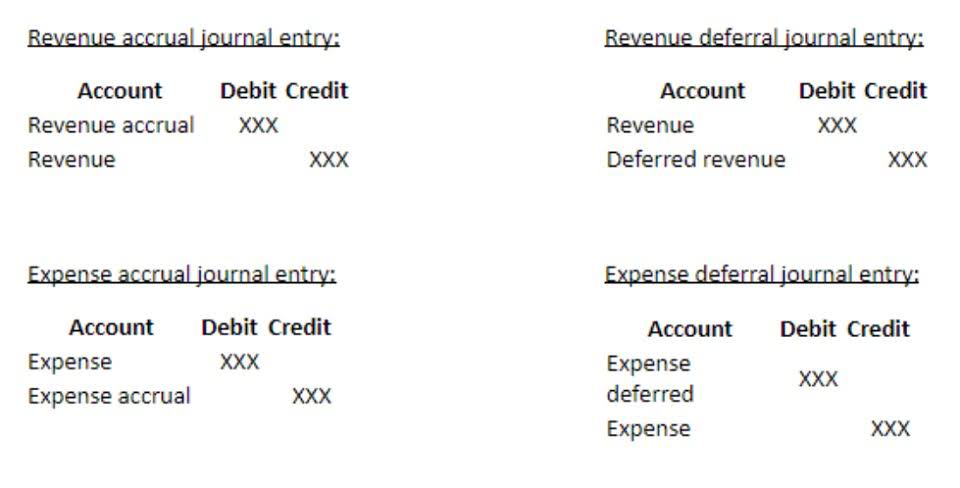
Revenue is recorded when it is earned (when a bill is sent), not when it actually arrives (when the bill is paid). Accrual accounting recognizes the impact of a transaction over a period of time. The most notable principles include the revenue recognition principle, matching principle, materiality principle, and consistency principle. Completeness is ensured by the materiality principle, as all material transactions should be accounted for in the financial statements. Consistency refers to a company’s use of accounting principles over time. Financial accounting focuses on the value of the company’s assets and liabilities.
Accounting Principles: What They Are and How GAAP and IFRS Work
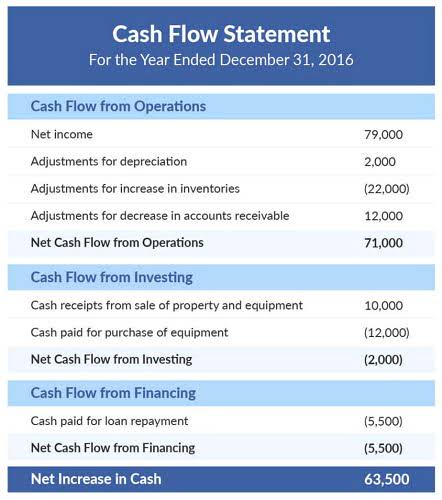
Financial accounting refers to the processes used to generate interim and annual financial statements. The results of all financial transactions that occur during an accounting period are summarized in the balance sheet, income statement, and cash flow statement. The financial statements of most companies are audited annually by an external CPA firm. An income statement, also known as a “profit and loss statement,” reports a company’s operating activity during a specific period of time. Usually issued on a monthly, a quarterly, or an annual basis, the income statement lists revenue, expenses, and net income of a company for a given period.
- I recommend auditing your process at the end of every month, quarter, and year.
- Even though the charges relate to services incurred in July, the cash method of financial accounting requires expenses to be recorded when they are paid, not when they occur.
- The more than 1,800 test questions will improve your retention and help you go from memorizing to understanding.
- An income statement shows your company’s profitability and tells you how much money your business has made or lost.
- If only bookkeeping meant hoarding the paperbacks I overbuy from my local bookstore — I’d be really good at that.
Adhere to all income, employment, and excise taxes.

Will you use bookkeeping services in sacramento software or make an accountant your first hire? This sounds straightforward, but accounting can impact both internal and external opinions. Because of this, many publicly traded companies report both GAAP and non-GAAP income.
What Are the Responsibilities of an Accountant?
Small or private companies may also use financial accounting, but they often operate with different reporting requirements. Financial statements generated through financial accounting are used by many parties outside of a company, including lenders, government agencies, auditors, insurance agencies, and investors. For example, imagine a company receives a $1,000 payment for a consulting job to be completed next month.
Principle of Consistency
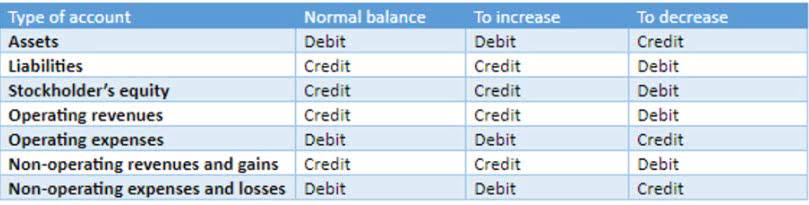
These accountants make sure that a company’s accounting follows the Generally Accepted Accounting Principles, which I will describe below. These accountants also work with cash flow statements and balance sheets. An income statement, also referred to as a profit and loss statement, is a financial document I use to see how much my business has earned and spent during a specific accounting period.
Open a business bank account linked to all points of sale.
This makes it easier for investors to analyze and extract useful information from the company’s financial statements, including trend data over a period of time. It also facilitates the comparison of financial information across different companies. Accounting principles are the rules and guidelines that companies and other bodies must follow when reporting financial data.
Bookkeeping Study Guide
- Tax accountants overseeing returns in the United States rely on guidance from the Internal Revenue Service.
- At larger companies, there might be sizable finance departments guided by a unified accounting manual with dozens of employees.
- In addition, financial statements disclose details concerning economic resources and the claims to those resources.
- Larger companies often have much more complex solutions to integrate with their specific reporting needs.
- Information is relevant to the extent that it can potentially alter a decision.

3 Please note that funds relating to Currencycloud’s services are not FDIC insured or protected by the Visa Zero liability protection policy. In regards to Currencycloud’s services when funds are posted to your account, e-money is issued in exchange for these funds, by an Electronic Money Institution who we work with, called Currencycloud. In line with regulatory requirements, Currencycloud safeguards your funds. This means that the money behind the balance you see in your account is held at a reputable bank, and most importantly, is protected for you in the event of Currencycloud’s, or our, insolvency. Currencycloud stops safeguarding your funds when the money has been paid out of your account to your beneficiary’s account.
Master Your Nonprofit’s Budget with Nonprofit Budget Templates from Smartsheet
You can check budget in Google Docs if you need to make a budget in the sample form of a document. The above non-profit budget template will be of great help to you if you plan on creating the right budget for your organization. A budget plan helps you plan and control the finances in your organization.
#1 Annual Nonprofit Budget Template

These include traditional https://nerdbot.com/2025/06/10/the-key-benefits-of-accounting-services-for-nonprofit-organizations/ income sources like the sale of products and services as well as nonprofit-specific income sources like fundraising and grants. While the annual budget is your broad-scope budget, you’ll need a separate budget for capital expenditures such as land acquisition and construction projects that take more than one year to complete. Your capital budget will inform your operating budget to ensure you have enough cash for both your short-term and long-term goals.
- For a wider selection of non profit budget templates, check out more options here.
- Once your costs are set, you know precisely what numbers you can expect to work with.
- With these easy steps, you’re well on your way to creating a workable, up-to-date budget to help your organization thrive.
- From how to get the funds needed to how to spend the money wisely, the above formal template can guide you through with the well-written suggestive content.
- Budgeting for a surplus allows you to support future innovations and invest in your staff.
Nonprofit Grant Proposal Budget Template
- A budget is a guide that can help a nonprofit plan for the future as well as assess its current financial health.
- When you create a nonprofit budget sample, you’ll first need to develop an exhaustive list of program expenses.
- Your board of directors will see your budget at some point, but it’s important to know how involved they’ll be!
- No nonprofit executive director is an island, and this is especially true when it comes to making a budget.
- Our integrated approach empowers organizations to connect deeply with their audiences, expand their reach, and achieve measurable results—all without stretching their resources.
- This fully customizable template helps you determine your organization’s monthly, quarterly, and yearly net income so that you can gauge the financial health of your nonprofit’s budgeted operations.
Overall, good budget planning requires knowledgeable board directors, a solid planning process and the tools to complete the job successfully. Under the heading of expenses, boards need to focus expenditures on their programs and activities. Expenses include direct costs, such as the cost of hiring new staff, ordering supplies, providing brochures or other publications, ordering supplies and travel. Capital expenditures are expenses needed to acquire or maintain fixed assets, such as fixing or maintaining buildings, land and cars.
- How to create your superstar team and assign the right Givebutter roles to unlock your team’s full potential—without risking donor data or burnout.
- In case your expenses are more than your income, then know where do you need to reduce spending money.
- It serves as the backbone of your nonprofit’s spending, fundraising, and much more.
- Whether you select one of these budgets or use a combination, understanding how each is unique is the first step.
- Regular performance reviews and cost-benefit analyses help optimize resource allocation and ensure each program advances your mission effectively.
Create a Contingency Fund

Program expenses cover everything tied directly to the services you provide—whether that’s offering housing, healthcare, or meals in your community. Still, be careful — don’t allow yourself or your managers to think you have an extra 1% to spend on this event or that project. accounting services for nonprofit organizations The contingency line is there to offset against the truly unknowable expenses, not to be lumped into another pre-existing project or expense.


After all, the only way you can fulfill your organization’s mission is if you can bring in the funding you need to support your programs and initiatives. Rushing the budgeting process could cause errors, which could result in future issues – especially troubling for nonprofits who need to report their finances and budgeting to grantors. In this section, we’ll look at a few key steps you’ll need to create an effective nonprofit budget sample.
]]>